
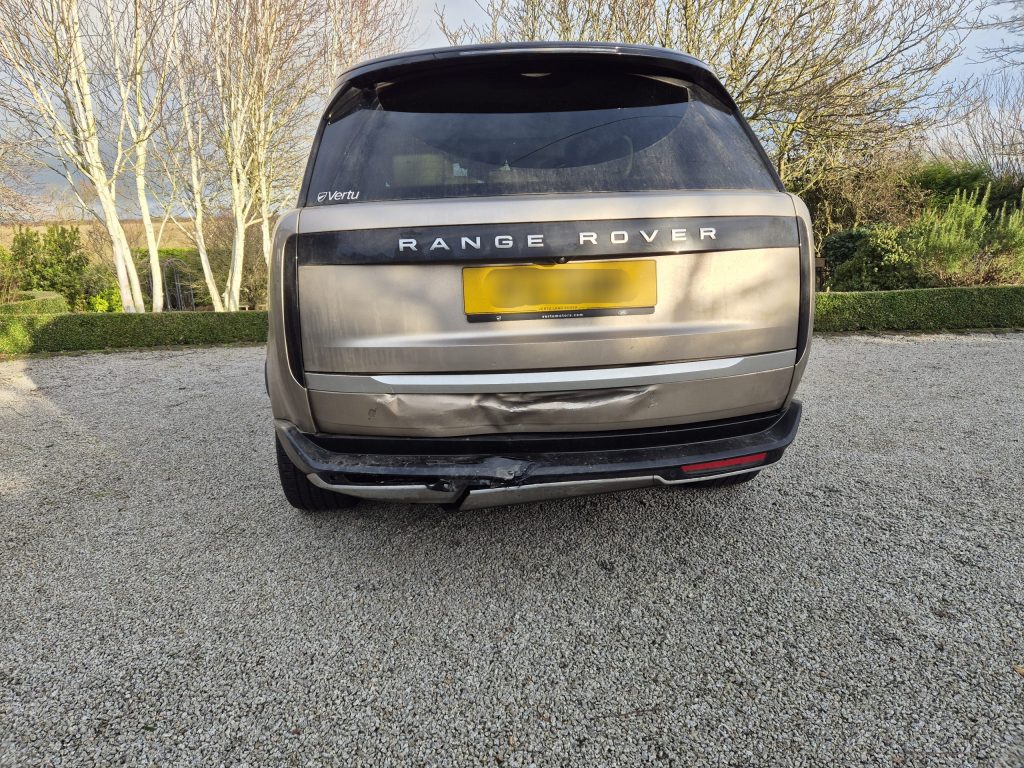
An accident is stressful enough without having to make decisions in a hurry. Within hours of reporting a claim, many drivers get a call from their insurer suggesting a repairer, often with a booking offered there and then. It can sound like the only option.
It isn’t. In most cases, you are free to choose who repairs your car. But there are some things to understand before you decide, so you can make the choice with your eyes open. This guide explains what your options are, what might change if you go with your own bodyshop, and how to pick a repairer you can trust.
This is general information, not legal or financial advice. Policies differ, so always check your own policy wording or ask your insurer.
The short answer: yes, you can usually choose
Under UK car insurance, you are generally not obliged to use the repairer your insurer recommends. If you would rather use a bodyshop you know, one that is closer to home, or one that specialises in your type of vehicle, that is normally your decision to make.
What can differ is what your insurer offers if you use their network and what conditions they attach if you don’t. That’s where it pays to read the small print.
Why insurers recommend approved repairers
It helps to understand why insurers steer you towards their own network. It isn’t necessarily sinister. Approved repairers usually bring benefits for both sides:
- Speed and simplicity. Insurers have an established relationship with these garages, so claims can be arranged quickly.
- Guarantees. Many insurers guarantee repairs done by their approved network, sometimes for as long as you own the car.
- Cost control. Insurers often negotiate preferred rates because of the volume of work they send.
Those can be real advantages. But a network is chosen by the insurer’s priorities, which include cost. It may not be the nearest repairer, or the one with the right approvals for your vehicle.
What might change if you choose your own repairer
Insurers set their own conditions, so check your policy. Common differences include:
- Courtesy car. Some policies only provide a courtesy car if you use an approved repairer. If you choose your own, ask us whether we can help with a replacement vehicle [CONFIRM: courtesy car / loan vehicle availability].
- Extra excess. A few insurers charge an additional “non-approved repairer” excess on top of your normal excess.
- Guarantee. The insurer’s own repair guarantee may not apply. That makes the repairer’s own guarantee important, so ask about it [CONFIRM: Vehicle Bodycare Centre guarantee terms].
- Estimate approval. Your insurer will normally need to see and approve a written estimate before any work starts.
The key point is that these are conditions of your policy, not a bar on your choice. Knowing them in advance means no surprises.
What if the accident wasn’t your fault?
If you’re making a non-fault claim, the other driver’s insurer or a claims management company may contact you and offer to arrange repairs or a hire car. You are not obliged to accept their choice of repairer. Before agreeing to anything, it’s sensible to speak to your own insurer and to the bodyshop you’d like to use. We deal with these situations regularly and can talk you through the process.
Why it matters: manufacturer approved repairs
A modern car is not just metal and paint. Cameras, radar sensors, lightweight aluminium structures and, increasingly, high-voltage electric systems all have to be repaired to the maker’s specification. The wrong repair method can affect safety, how the car drives and even its value later.
That’s why manufacturer approval matters. At Vehicle Bodycare Centre we are approved by a wide range of manufacturers including Audi, Jaguar Land Rover and Tesla, and our technicians are trained to the standards those makers require. Depending on your vehicle, that can mean:
- Repairs to the manufacturer’s own methods and standards, using the right equipment and approved procedures.
- Specialist capability for aluminium structures, electric vehicles and ADAS camera and sensor calibration.
- Technicians with recognised training, including IMI TechSafe accreditation for working on electric and hybrid vehicles, and training to the British Standard BS10125:2022 [CONFIRM current wording against the Certificates page].
You can see the full list on our Manufacturers page and our Certificates & Accreditations page.
How to choose a bodyshop you can trust
Whoever you choose, these questions help separate a good repairer from an average one:
- Are they approved for your make? Ask which manufacturers approve them and whether they can show it.
- What parts will they use? Ask whether they fit genuine manufacturer parts and paint.
- Can they handle your vehicle’s technology? If your car has ADAS, aluminium panels or an EV battery, check they have the equipment and training.
- What guarantee do they give? Ask for it in writing.
- Will they deal with the insurer for you? A good bodyshop should handle the estimate, authorisation and paperwork.
- What do real customers say? Look at recent reviews, not just star ratings. Our customers regularly mention clear communication and being kept informed at every stage.
- Can you see the facility? A decent bodyshop is happy to show you where your car will be repaired.
What to do after an accident: a simple step-by-step
- Make sure everyone is safe. Move to a safe place if you can, and call the emergency services if anyone is hurt.
- Take photos and details. Capture the damage, the scene, registration numbers and contact details of anyone involved.
- Report the claim to your insurer. You normally have to tell them promptly. Our Had An Accident? page explains what to gather.
- Tell your insurer you’d like to use your own repairer. You could say: “I’d like to use [bodyshop name]. What do you need from them, and are there any conditions I should know about?”
- Get a written estimate. We can inspect the vehicle and provide a detailed estimate, and we can pass it to your insurer. Request an estimate here.
- Wait for authorisation. Once the insurer approves the estimate, your repair can be booked in.
How Vehicle Bodycare Centre can help
We’re a family-run business in Leeds, established in 1986, and we have grown into one of the area’s leading independent manufacturer approved repair centres. We look after everything from minor repairs to structural work, including aluminium, EV and prestige vehicles.
Our team can liaise with your insurer on your behalf, explain every step, and keep you updated throughout. If you’re unsure about your rights or what your policy says, give us a call. There’s no pressure, and we’re happy to talk it through.
You can also read more on our Know Your Rights page and our FAQs.
Ready to talk? Get a free estimate or call us on 0113 248 0481.
Vehicle Bodycare Centre, Cross Green Industrial Estate, Knowsthorpe Rd, Leeds, LS9 0NX
FAQ's
Do I have to use my insurer's approved repairer?
Generally no. You can usually choose your own repairer, although your policy may attach conditions such as no courtesy car, an additional excess or no insurer guarantee. Check your policy wording or ask your insurer before deciding.
Will choosing my own bodyshop affect my claim?
Your claim is still made under your policy. The insurer will usually need to review and approve a written estimate before work begins, and they may apply certain conditions. Your bodyshop can help with the paperwork.
Will I still get a courtesy car?
It depends on your policy. Some insurers only provide a courtesy car through their approved network. Ask your insurer, and ask us whether we can provide a loan vehicle
Who guarantees the repair if I use my own repairer?
The repairer you choose should provide its own guarantee on the work. Ask for the terms in writing. Get in touch with us to find out our guarantee terms.
The accident wasn't my fault. Can I still choose where my car is repaired?
Yes. You are not obliged to accept the repairer suggested by the other driver’s insurer or a claims company. Speak to your own insurer and to the bodyshop you prefer before agreeing to anything.
How do I know if a bodyshop is manufacturer approved?
Ask them which manufacturers approve them, and check the manufacturer’s own repairer finder where available. We list our approvals on our Manufacturers page.